
Get Support
-
By: nitin
- 0 Comments
If you’re thinking about getting your vehicle’s windows tinted, you’re probably wondering more than just how dark the windows should be. You may want to reduce heat inside the car, protect the interior from sunlight, improve privacy, or simply give your vehicle a cleaner appearance.
For drivers looking for car window tinting in Oshawa, choosing the right film and installer is important. The quality of the film, installation process, and tint level can all affect the final result.
This guide explains what you should know before booking a professional tinting service in Oshawa, including tint types, benefits, pricing considerations, installation, maintenance, and Ontario’s rules.
What Is Car Window Tinting?
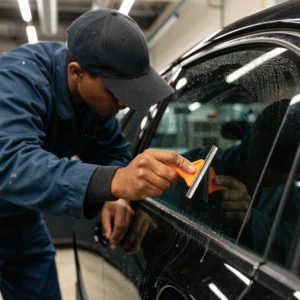
Car window tinting involves applying a thin film to the inside surface of a vehicle’s glass. Depending on the film, it can help reduce visible light, solar heat, glare, and ultraviolet exposure.
Modern automotive films come in several types and quality levels. Some are primarily designed to change the appearance of the vehicle, while premium films can provide better heat rejection without requiring extremely dark glass.
A professional installer can help you choose a film based on your vehicle, driving habits, appearance preferences, and budget.
Why Do Oshawa Drivers Choose Window Tint?
Window tint isn’t only about appearance. A quality installation can provide several practical benefits.
1. Reduce Heat Inside Your Vehicle
Anyone who has parked a car outside during a sunny summer day knows how quickly the interior can heat up.
Certain automotive films are designed to reject solar energy, helping reduce the amount of heat entering through the glass. This can make the cabin more comfortable, particularly during warmer weather.
2. Reduce Glare
Sunlight and reflections from other vehicles can make driving uncomfortable. Tint can reduce the amount of visible light entering the cabin, helping with glare in appropriate applications.
3. Add Privacy
Darker rear-window film can make it more difficult for people outside the vehicle to see inside. This can be useful when you regularly leave personal belongings in the vehicle.
Privacy levels vary depending on the film and the vehicle’s existing glass, so it’s worth discussing the final appearance with your installer before choosing a shade.
4. Protect Your Interior
Sun exposure can contribute to fading and deterioration of interior materials over time. Some films also provide UV protection, which can help reduce exposure to ultraviolet radiation through the windows.
5. Improve the Appearance of Your Vehicle
A professionally installed tint can give a vehicle a more finished appearance. The goal should be a clean, even installation without obvious bubbles, gaps, or contamination.
What Types of Car Tint Are Available?
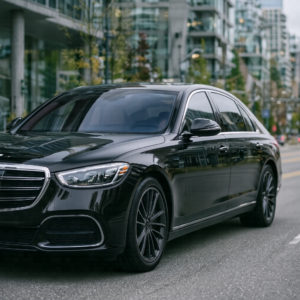
Not every window film performs the same way. Here are some common options you may encounter when comparing tinting services.
Dyed Window Film
Dyed film is generally one of the more budget-friendly choices. It can provide privacy and change the appearance of the vehicle without the higher price associated with premium films.
It’s worth discussing expected lifespan and warranty coverage with the installer before choosing this option.
Carbon Window Film
Carbon film is often chosen by drivers who want a darker appearance while looking for performance beyond basic dyed film.
It can be a good middle-ground option depending on the product and installation quality.
Ceramic Window Film
Ceramic film is a premium option that uses ceramic particles rather than traditional dyed construction. Quality ceramic films can provide strong heat rejection and UV protection while maintaining good visibility.
The higher initial cost may make sense for drivers who prioritize comfort and long-term performance.
Tip: Don’t choose a film based solely on how dark it looks. Two films with similar visible darkness can have very different performance characteristics.
How Dark Should Your Car Tint Be?
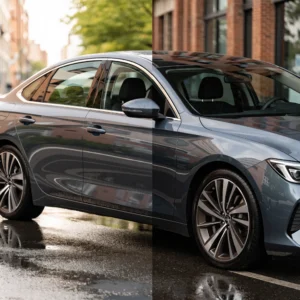
This is one of the most common questions people ask before booking a tint appointment.
The answer depends on:
- Which windows you’re tinting
- The vehicle’s existing glass
- Your visibility requirements
- Your desired appearance
- Ontario regulations
- The type of film being installed
A professional installer should discuss the intended application before installation rather than simply recommending the darkest option.
What About Ontario’s Tinting Rules?
Ontario’s Highway Traffic Act contains requirements concerning vehicle windows and visibility. Section 73 prohibits colour coating on the windshield or windows beside the driver when it substantially obscures the vehicle’s interior when viewed from outside. Section 74 also requires the windshield and windows beside the steering compartment to provide the driver with a clear view.
Ontario’s vehicle inspection standards also specify a 70% minimum light transmittance for windows directly to the left or right of the driver on vehicles manufactured on or after January 1, 2017.
Because regulations and enforcement can be important considerations, don’t assume that a particular tint percentage is legal simply because another vehicle has it installed.
Always confirm the current requirements and discuss compliance with a qualified installer before applying film to front windows or the windshield.
How Much Does Car Window Tinting Cost in Oshawa?
There isn’t one price that applies to every vehicle.
The final cost can depend on:
- Vehicle size
- Number of windows
- Film type
- Film brand
- Installation difficulty
- Existing tint removal
- Warranty
- Additional services
A basic film installation will generally cost less than a premium ceramic film.
When comparing quotes from a window tint shop in Oshawa, don’t compare the price alone. Ask what film is included, what warranty comes with the installation, and whether the quoted price includes removal of existing film if necessary.
A slightly higher-quality installation can be better value than choosing the cheapest quote and dealing with problems later.
How Long Does Car Tinting Take?
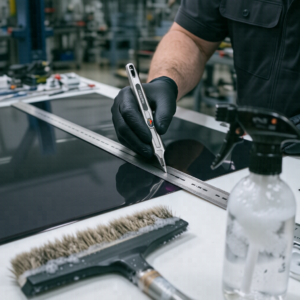
Installation time varies depending on the vehicle and the amount of work required.
A standard vehicle may take several hours, while larger or more complicated vehicles can require additional time. Existing tint may also need to be removed before new film can be installed.
A professional installer should tell you approximately how long your vehicle will need to remain at the shop before your appointment.
After installation, the film also needs time to cure. During this period, you may notice some moisture or a slightly hazy appearance. Your installer should provide specific care instructions based on the film being used.
How to Choose the Right Window Tint Shop in Oshawa
Choosing an installer is just as important as choosing the film.
Before booking, consider these questions:
Do they show real installation work?
Look for genuine photos of vehicles they’ve actually tinted rather than relying only on manufacturer images.
Do they explain the film?
A good installer should be able to explain the differences between their available films and help you choose based on your priorities.
Is there a warranty?
Ask what the warranty covers and how long it lasts.
Do they have local reviews?
Look at recent customer feedback and pay attention to comments about installation quality, communication, cleanliness, and after-service support.
Do they provide a clear quote?
Make sure you understand exactly what’s included before approving the work.
How to Maintain Your New Window Tint
Once your tint has been installed, proper care can help keep it looking good.
Follow the installer’s curing instructions before cleaning the glass.
After the recommended curing period:
- Use a soft microfiber cloth.
- Use a tint-safe cleaner.
- Avoid abrasive materials.
- Don’t scrape the inside of tinted windows.
- Be careful around window edges.
- Follow the film manufacturer’s care recommendations.
If you notice peeling, bubbling, discoloration, or separation, contact the installer rather than trying to repair the film yourself.
Is Car Window Tinting Worth It?
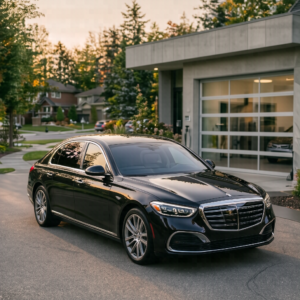
For many drivers, professional tinting can be worthwhile because it combines appearance with practical benefits such as glare reduction, privacy, and solar control.
The best choice depends on what matters most to you.
If your priority is lower cost, a quality entry-level film may be enough.
If you want better heat rejection and premium performance, ceramic film may be worth considering.
If you’re mainly interested in appearance and privacy, your installer can recommend a film and shade that fits your vehicle while considering applicable Ontario requirements.
The key is to choose the right film, appropriate tint level, and experienced installer rather than simply choosing the darkest or cheapest option.
Ready to Tint Your Vehicle in Oshawa?
Before booking, compare the available film options, ask about warranty coverage, check recent customer reviews, and make sure the proposed installation complies with Ontario requirements.
A professional car window tinting service in Oshawa should be able to explain your options and help you choose a solution based on your vehicle, budget, and driving needs.
Looking for professional tinting in Oshawa? Contact our team to discuss your vehicle and get a quote.
